Smart Organic Waste Management: Polman Negeri Babel Lecturer Team Develops IoT and AI-Based Smart Composting System
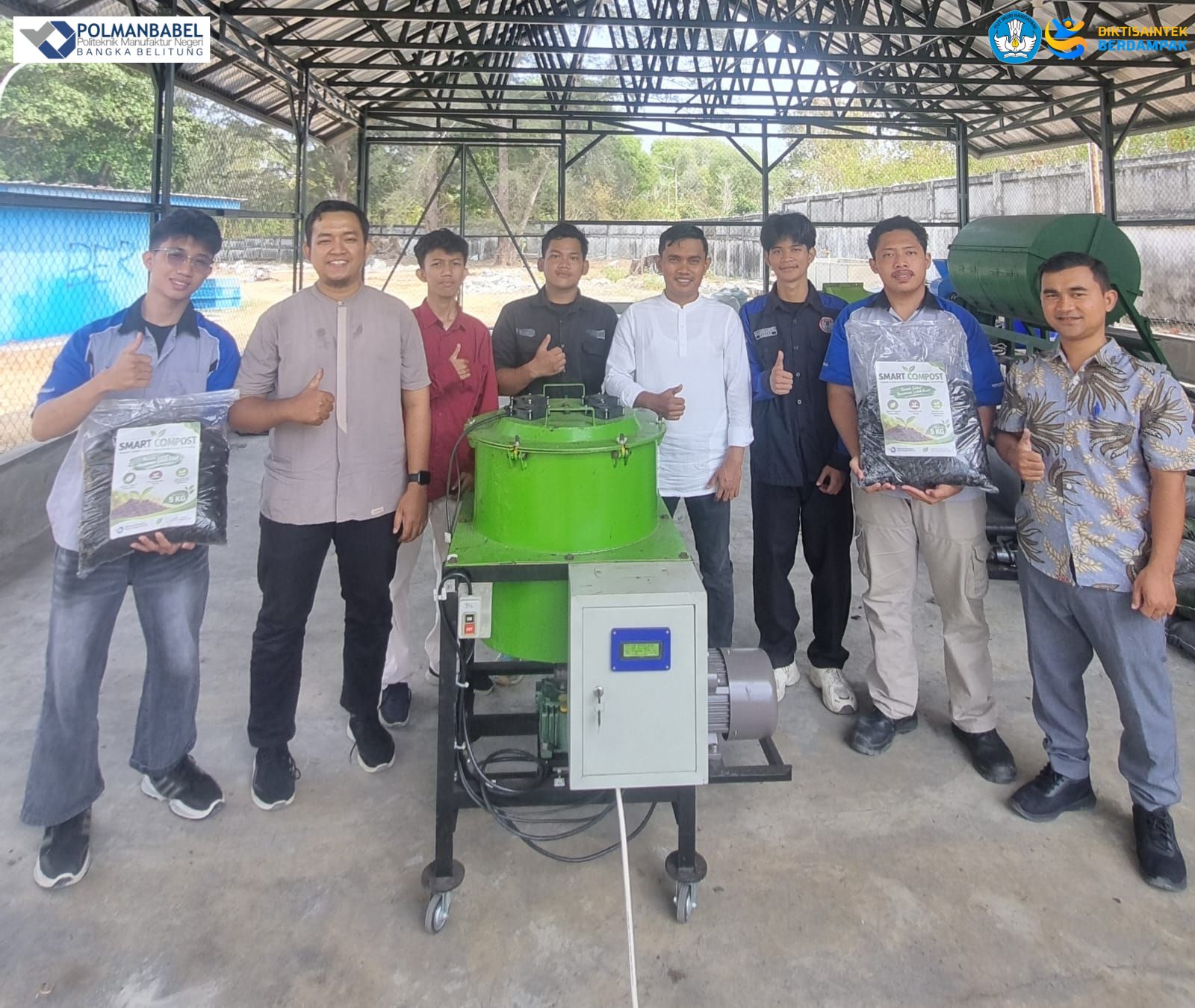
A team of lecturers and students from Polman Negeri Babel has completed the development of an IoT- and AI-based Smart Composting system as a technological innovation for organic waste management.
Demonstrating a strong commitment to knowledge sharing, a team of lecturers from the Bangka Belitung State Manufacturing Polytechnic successfully implemented an Internet of Things (IoT) and Artificial Intelligence (AI)-based Smart Composting system. This system supports the monitoring and control of organic compost fermentation in a manner that is smarter, integrated, and data-driven (Friday, September 11, 2026).
The development team was led by Indra Irawan, S.Kom., M.Kom., with fellow lecturers Better Swengky, S.Kom., M.Kom., and Peprizal, M.Pd.T., alongside students Abimanyu Narendra Berlian A. and Andreas. The project received funding support through the 2026 BIMA Grant Program from the Ministry of Education, Culture, Research, and Technology (Kemendiktisaintek).
When interviewed, Indra Irawan explained that the system's development is an effort to promote the use of technology in organic waste processing. "It integrates sensor technology, the Internet of Things, automated control systems, and artificial intelligence into the compost fermentation process," he stated.
"Through this developed system, the compost fermentation process can be monitored in real-time by reading various parameters related to the composting conditions. These parameters include temperature, humidity, acidity levels (pH), and carbon dioxide (CO₂) concentration," he explained.
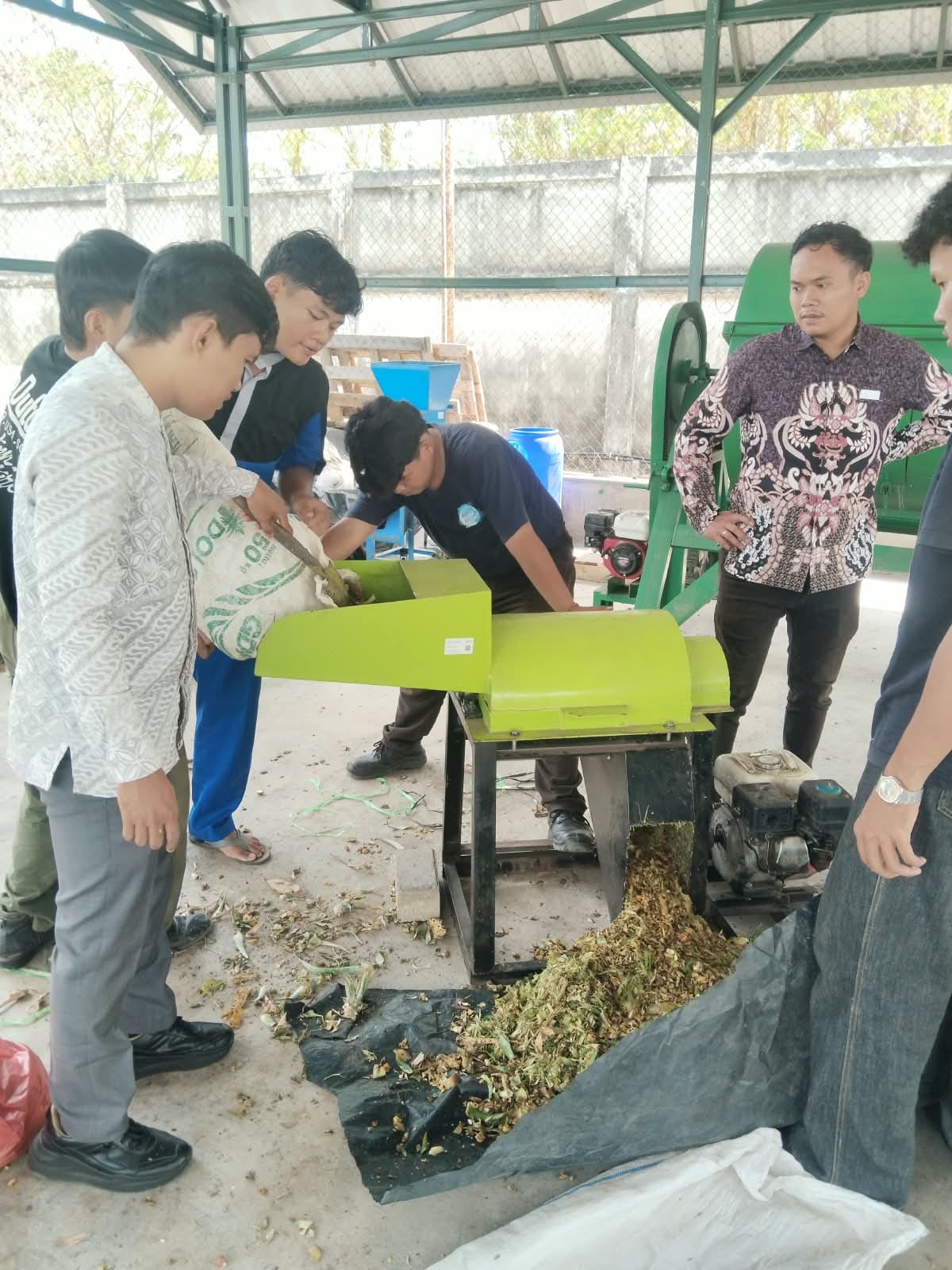
Data from the sensors is transmitted via IoT technology and displayed on a digital monitoring system, allowing the status of the compost fermentation to be assessed more quickly, accurately, and with better documentation compared to fully manual monitoring processes," he added.
"Furthermore, the developed Smart Composting system has the capability to control actuators that support the fermentation process; it responds to changes in parameter conditions by adjusting devices such as fans and agitators, in accordance with the logic and conditions established within the system," he explained.
Moreover, the development of this system aims to introduce a technological approach that makes the composting process more measurable and data-driven, as the Smart Composting system allows fermentation conditions to be monitored in real-time.
"The system was also developed to respond to changing conditions through actuator control mechanisms, ensuring that monitoring and control processes do not rely solely on manual observation," he noted.
"Meanwhile, Artificial Intelligence (AI) is applied to analyze sensor data—covering various parameters collected during fermentation—serving as input for AI models to generate predictions regarding the condition and maturity level of the compost," he emphasized.
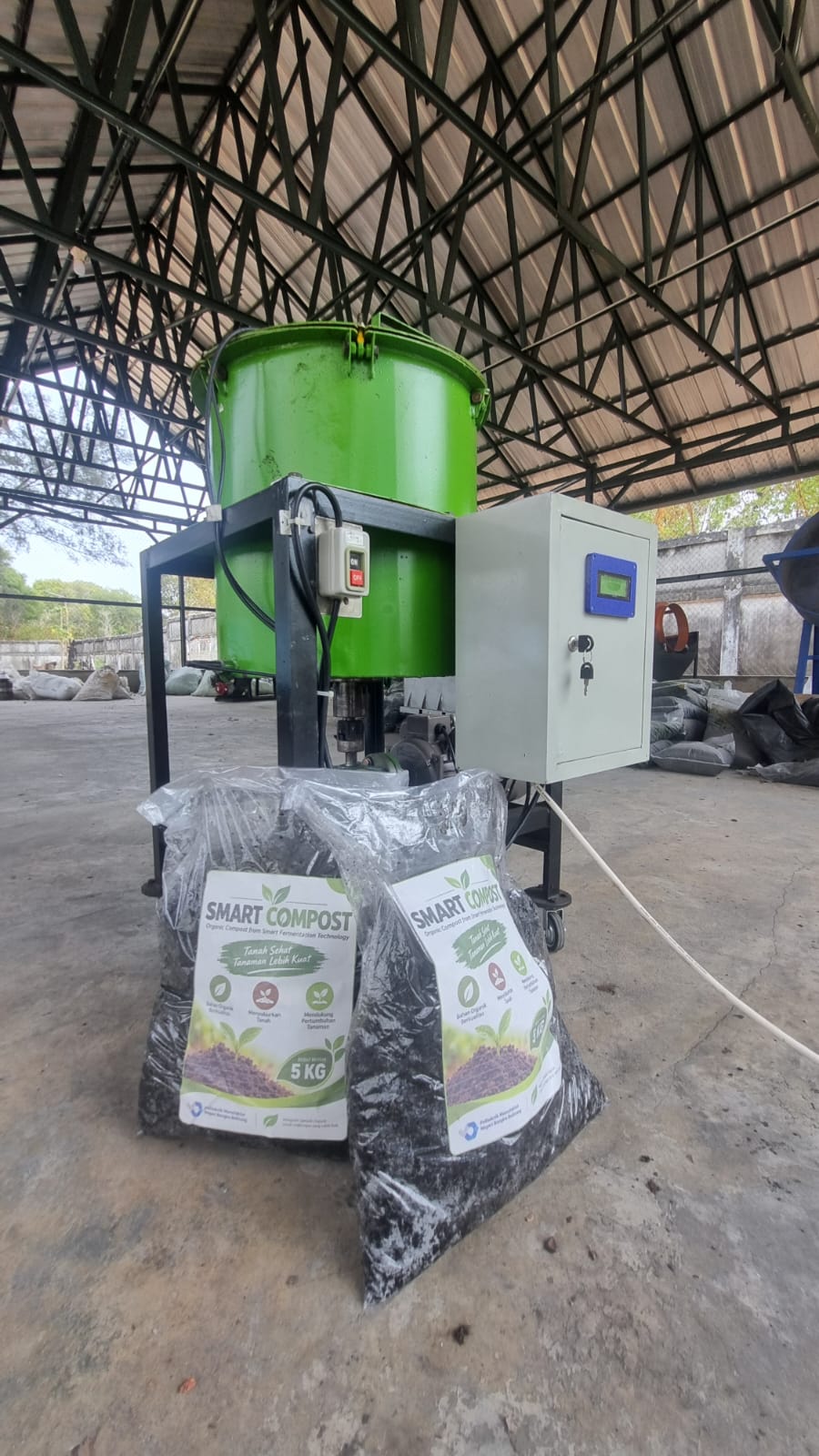
At the same time, Better Swengky, S.Kom., M.Kom., stated that the integration of IoT and AI technologies is a crucial aspect of the Smart Composting system's development, as it opens up opportunities for more modern, data-driven composting practices," he concluded.
He added, "The integration of sensors, the Internet of Things, and Artificial Intelligence enables the creation of a system that not only collects and displays data but also analyzes process conditions, fostering the development of more adaptive composting technology."
In line with this, Peprizal, M.Pd.T., noted that student involvement is expected to provide practical experience in research and the development of technological solutions designed to address real-world challenges, particularly in the fields of agriculture and environmental management," he said.
On a broader scale, the successful implementation of the Smart Composting system drives the development of smart agriculture technologies through the use of digital tools, the Internet of Things, automation, and artificial intelligence. Developing a more measurable and data-driven composting system is expected to support modern, efficient, and sustainable organic waste management," he concluded.