Addressing Pepper Diseases and Pests: State Polytechnic of Bangka Belitung Lecturer Researches Development of Endophytic Bacteria
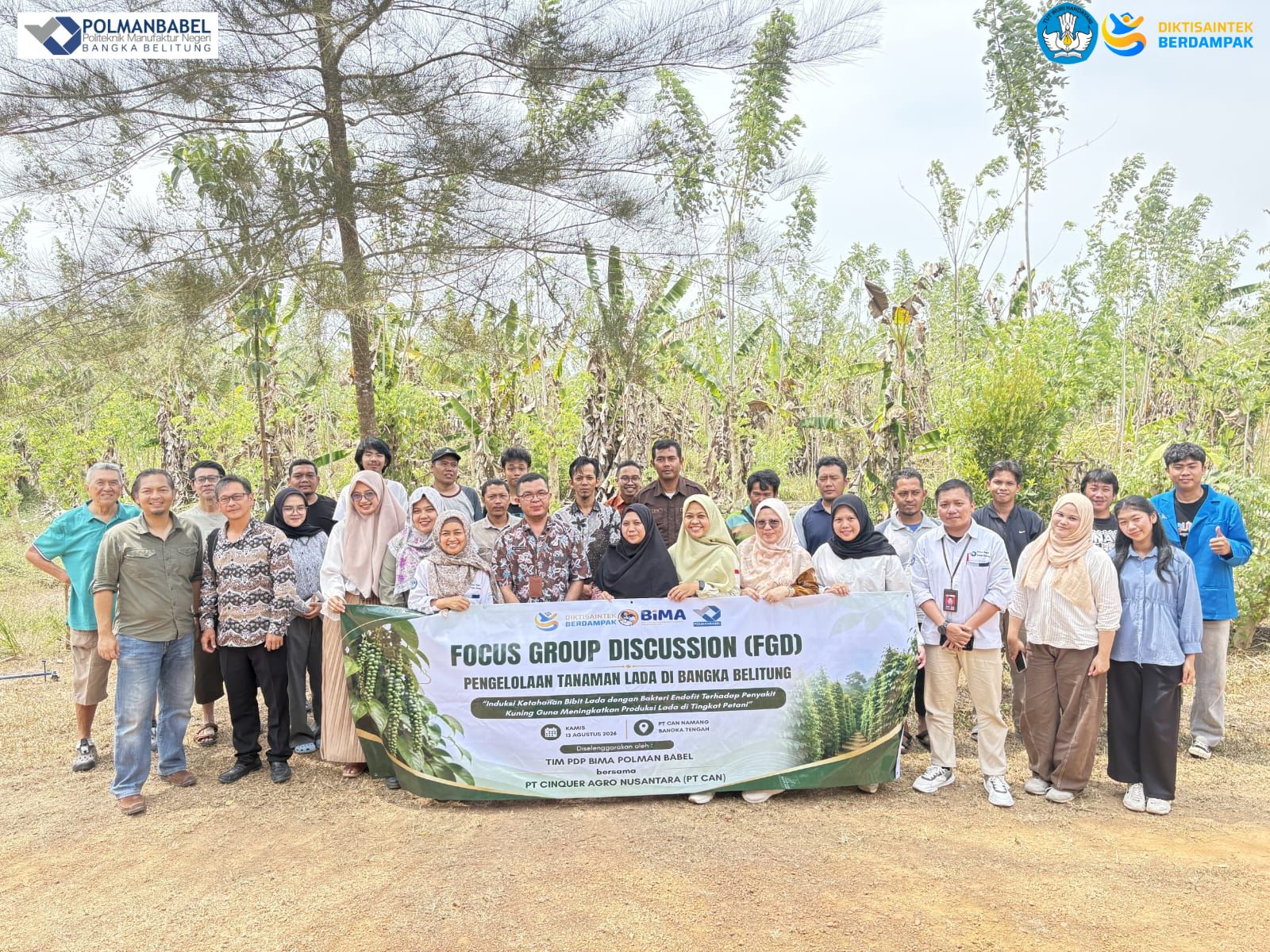
Lecturers from the Bangka Belitung State Polytechnic (Polman Negeri Babel) and representatives from PT Cinquer Agro Nusantara (PT CAN) posed for a photo together after conducting research on pepper plant management in Namang Village, Central Bangka Regency.
Lecturers from the Bangka Belitung State Manufacturing Polytechnic (Polman Babel) conducted research addressing the ongoing challenges of pests and diseases in pepper cultivation in Bangka Belitung; the study took place at the PT Cinquer Agro Nusantara (PT CAN) plantation in Namang Village, Central Bangka Regency, on Thursday (August 13, 2028).
The research team comprised three Polman Babel lecturers—Lesta, S.P., M.Si., Lamia Eva Rini, M.B.A., and Riski Meliya N., S.P., M.Si.—who discussed pepper crop management through a Focus Group Discussion (FGD) aimed at identifying the various issues facing pepper cultivation in the region.
While reviewing the research progress on Wednesday (August 26, 2026), the team leader, Lesta, S.P., M.Si., highlighted "yellow disease" as a critical issue requiring attention to ensure the sustainability of pepper cultivation.
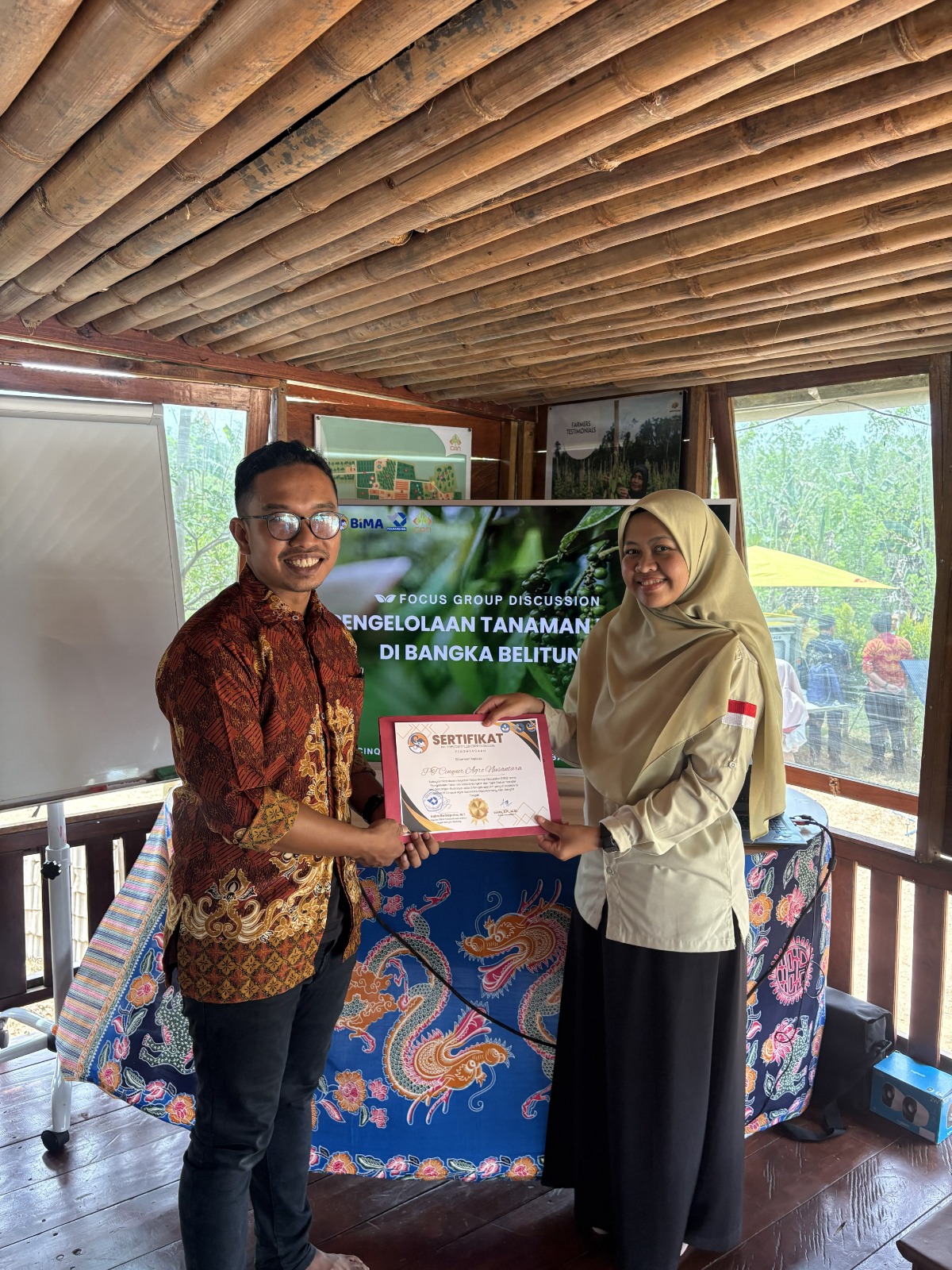
She explained that the research involved several stages: acclimatization, labeling, physical maintenance of pepper seedlings, inoculation with endophytic bacteria, and monitoring to observe the induction of plant resistance against pests and diseases, thereby gathering data on the plants' responses to the applied treatments.
Furthermore, research into developing endophytic bacteria as biocontrol agents offers an opportunity for further study as an alternative solution to the health issues affecting pepper plants.
"If subsequent testing yields consistent results regarding effectiveness, this technology has the potential for broader development to enhance pepper plants' resilience against various diseases and pests," he stated.
He concluded by noting the team's commitment—driven by the fact that Bangka Belitung has a long history as a major pepper-producing region—to finding solutions for disease and pest problems; this effort aims to ensure the commodity's sustainability, contribute to the development of pepper crop management technology, and support future pepper productivity.