To prepare new students for the orientation program (PPKMB), the leadership of the Bangka Belitung State Manufacturing Polytechnic (Polman Negeri Babel) outlined the academic system, student affairs, and campus regulations.
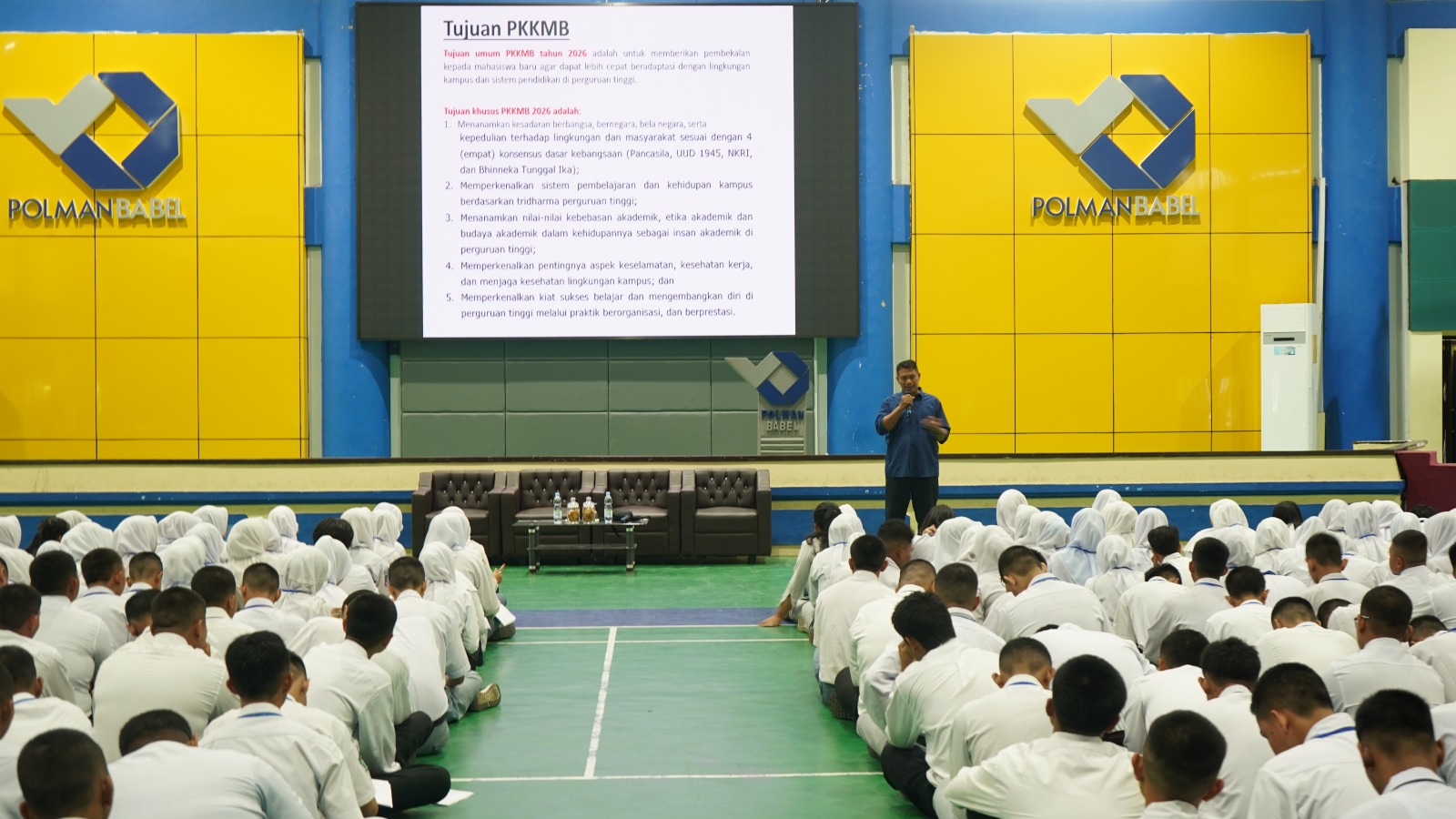
Addressing hundreds of new students at the 2026 PPKMB event in the auditorium, Eko Sulistyo, M.T., Deputy Director III of the Bangka Belitung State Polytechnic (Polman Negeri Babel), explained the vocational study system, the goal of graduating on time, and the importance of developing competencies through student organizations.
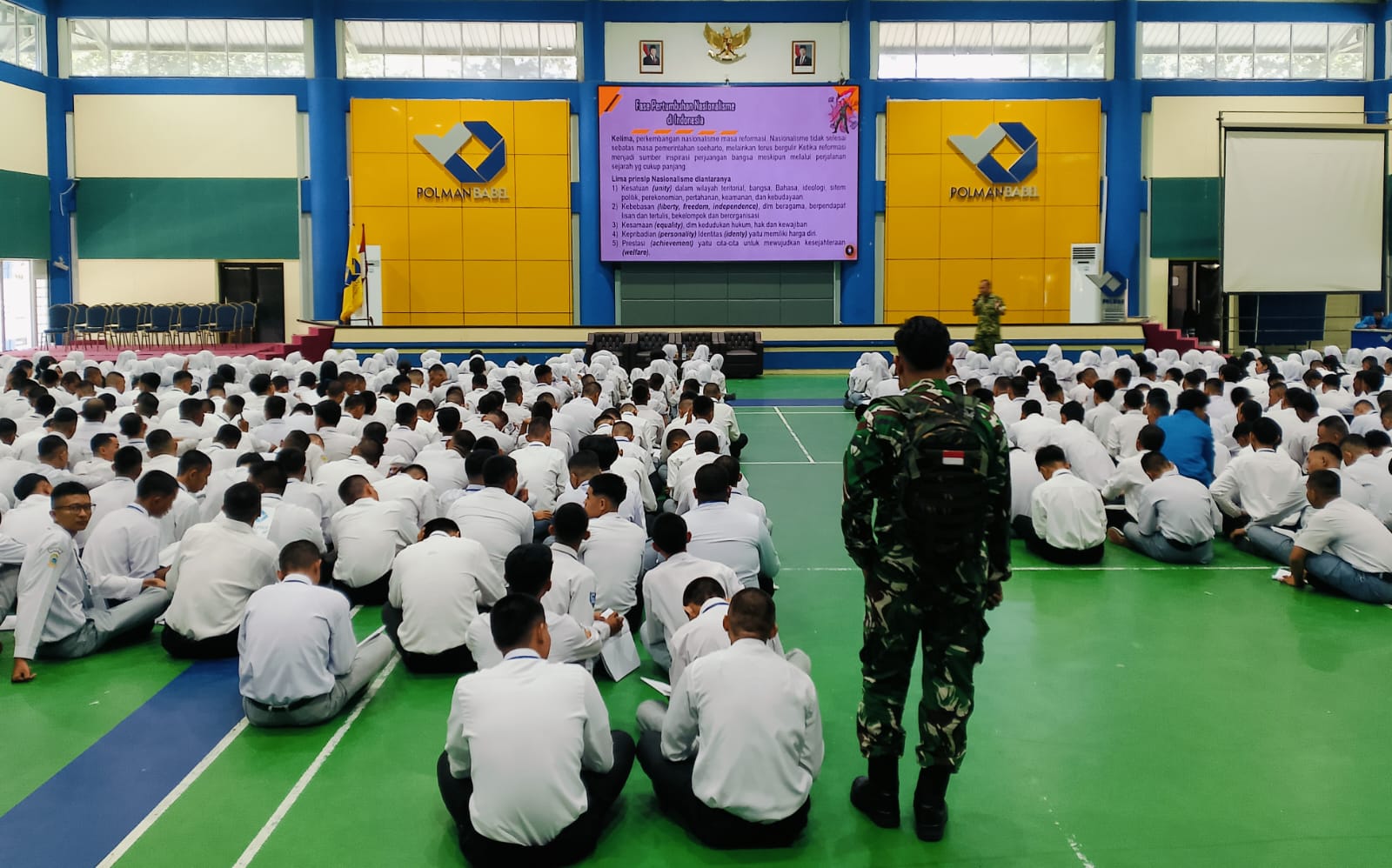
New students participating in the Campus Life Introduction (PPKMB) program at the Bangka Belitung State Manufacturing Polytechnic (Polman Babel) received a briefing on student affairs, the academic system, and campus regulations on Wednesday (August 5, 2026).
The material was presented directly by Polman Babel’s leadership team—Deputy Director I Irwan, Ph.D., Deputy Director II Muhammad Subhan, M.T., and Deputy Director III Eko Sulistyo, M.T. Their presence provided new students with a comprehensive overview covering everything from lectures and academic governance to the mandatory regulations to be observed throughout their studies.
During the first session, Deputy Director III Eko Sulistyo, M.T., presented information on student life and the education system in vocational higher education. He aimed to help students adapt to the campus environment, establish effective communication, and understand learning patterns that differ from their previous levels of education.
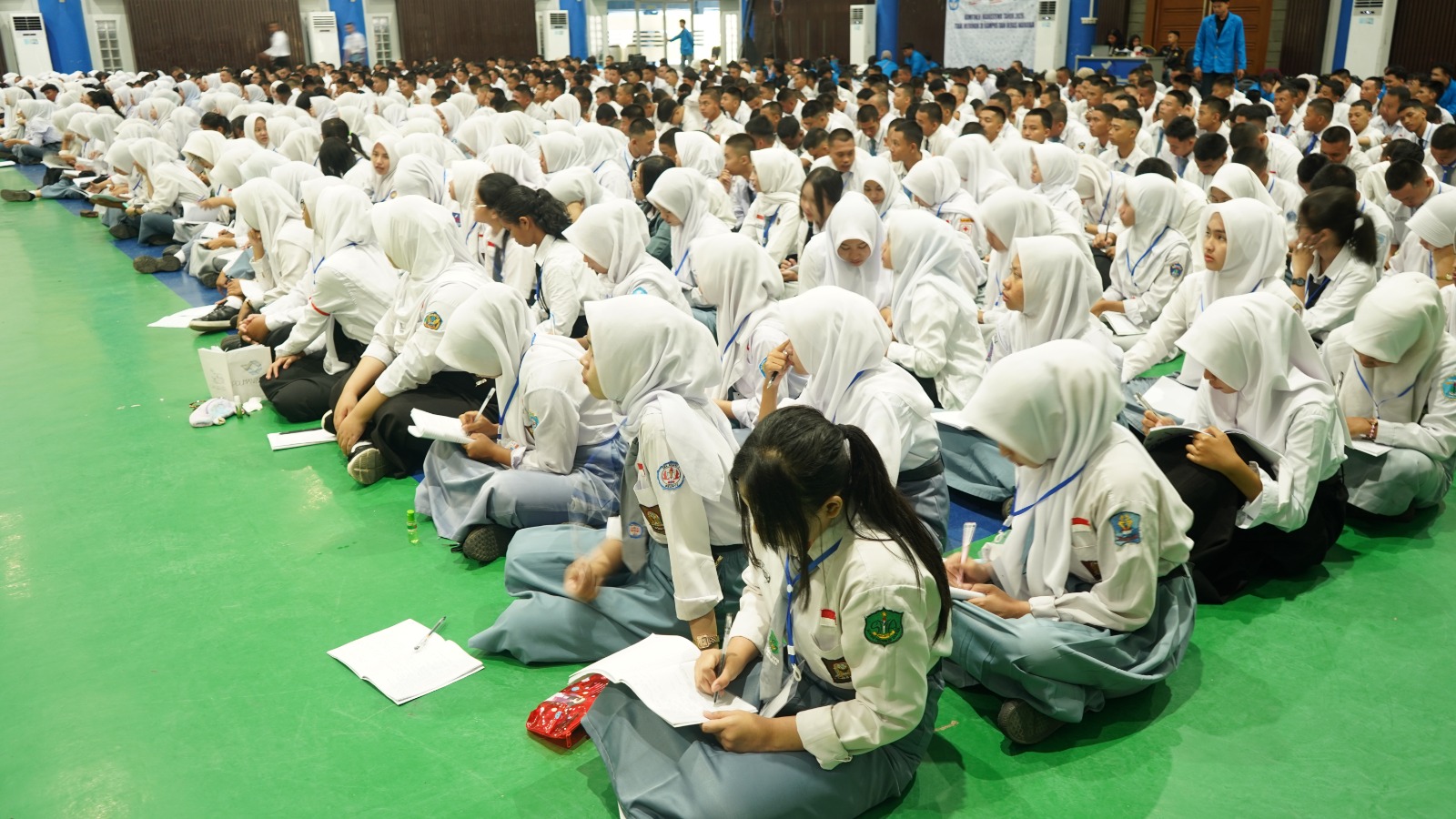
Eko explained that Polman Babel employs a "package system," wherein the number of Semester Credit Units (SKS) is predetermined by the curriculum. This structure targets a three-year completion time for Diploma III students and a four-year completion time for Applied Bachelor (D4) students; however, if students fail to meet graduation requirements or take academic leave, their study period may be extended in accordance with applicable regulations.
"Contrast the package system with the non-package system, which can lead to study periods exceeding the initial target; the package system is designed to foster greater student discipline in completing their studies on time, in alignment with the established curriculum," he stated.
"Furthermore, he emphasized that the industry today does not view a diploma as the sole primary requirement; skills, character, and discipline are equally important. Therefore, vocational students are expected to possess competencies relevant to industry needs, which includes cultivating habits such as punctuality and taking responsibility for every aspect of the learning process," he explained.
"In addition, he encouraged all new students to actively participate in student organizations. These serve as effective platforms for expanding networks and honing leadership, communication, and teamwork skills, while also helping students build connections with their peers and lecturers within the campus community," he noted.
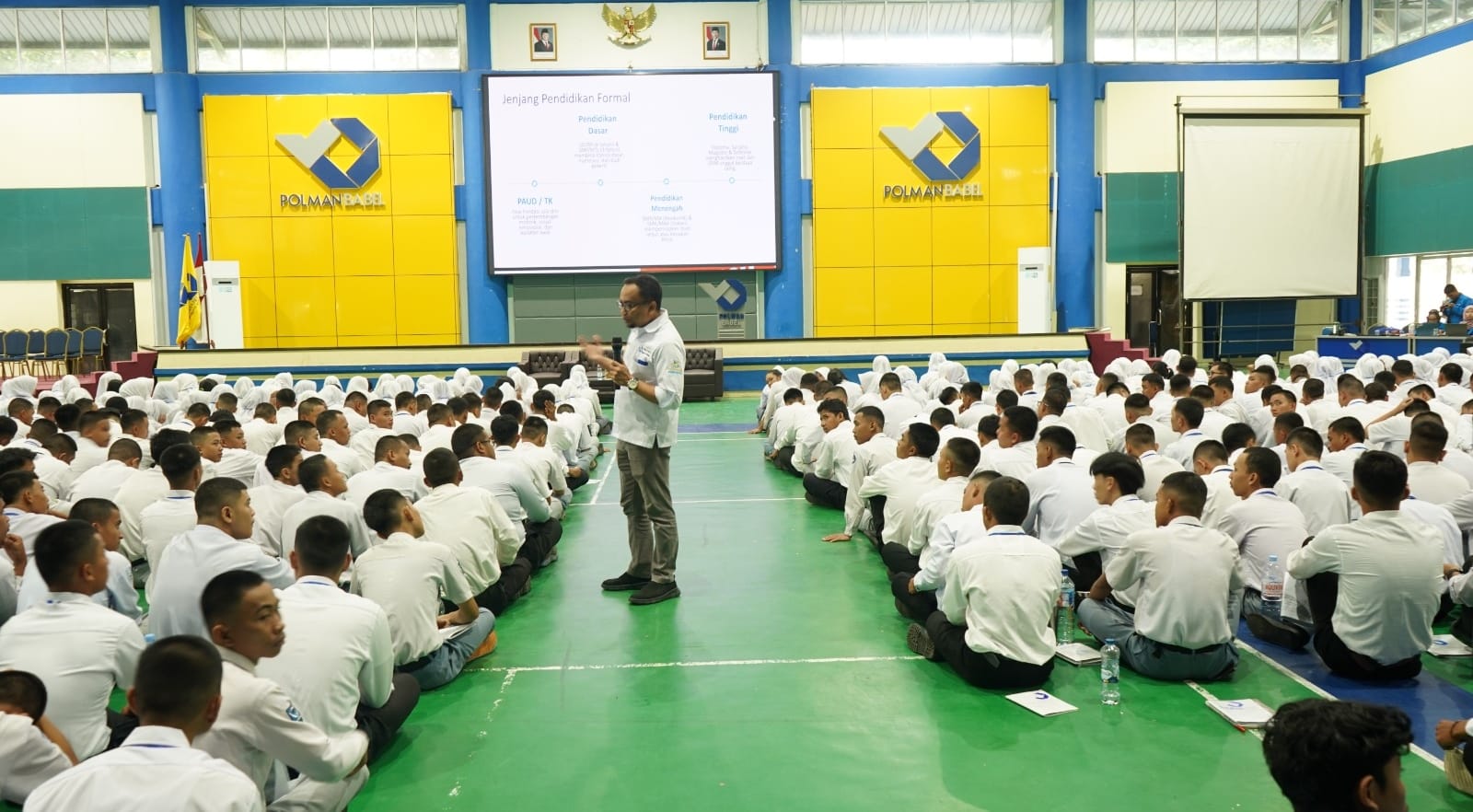
In the following session, Deputy Director I Irwan, Ph.D., outlined the educational journey students undertake prior to entering higher education. He explained that every learner progresses through various stages—starting from Early Childhood Education (PAUD/Kindergarten), primary school, junior high school, and senior or vocational high school—before finally entering higher education," he concluded.
"Irwan highlighted the strategic direction of vocational education development through revitalization programs for vocational high schools (SMK) and vocational higher education institutions. These programs are implemented by strengthening partnerships with the business and industrial sectors (DUDI) through a 'link and match' approach, aligning competency-based curricula with industry requirements," he emphasized.
"Meanwhile, students have the opportunity to participate in industrial internship programs, gaining direct work experience before graduation. Furthermore, students are encouraged to pursue professional certification to obtain nationally and internationally recognized competency certificates, which serve as a valuable asset when applying for jobs," he asserted.
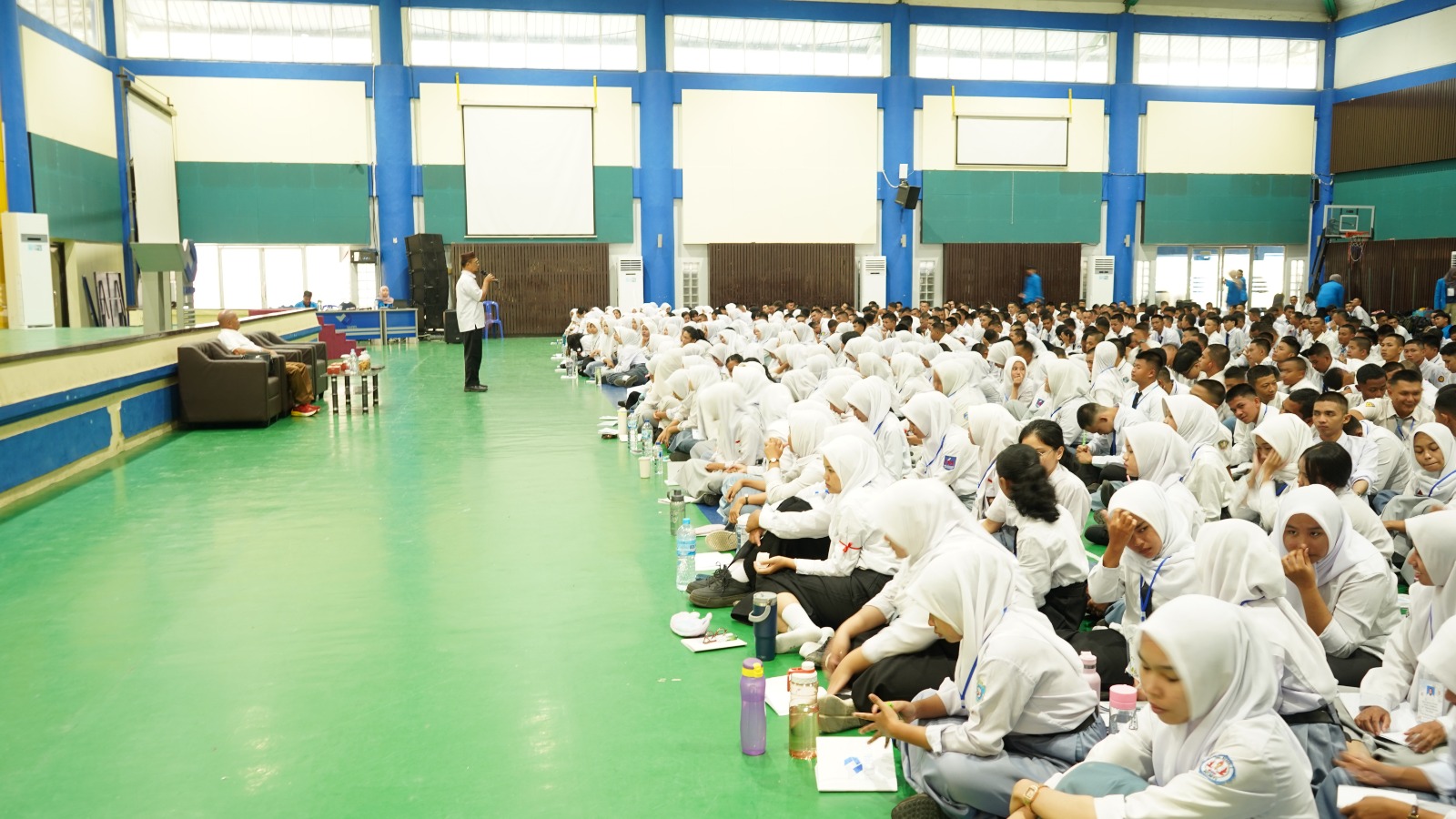
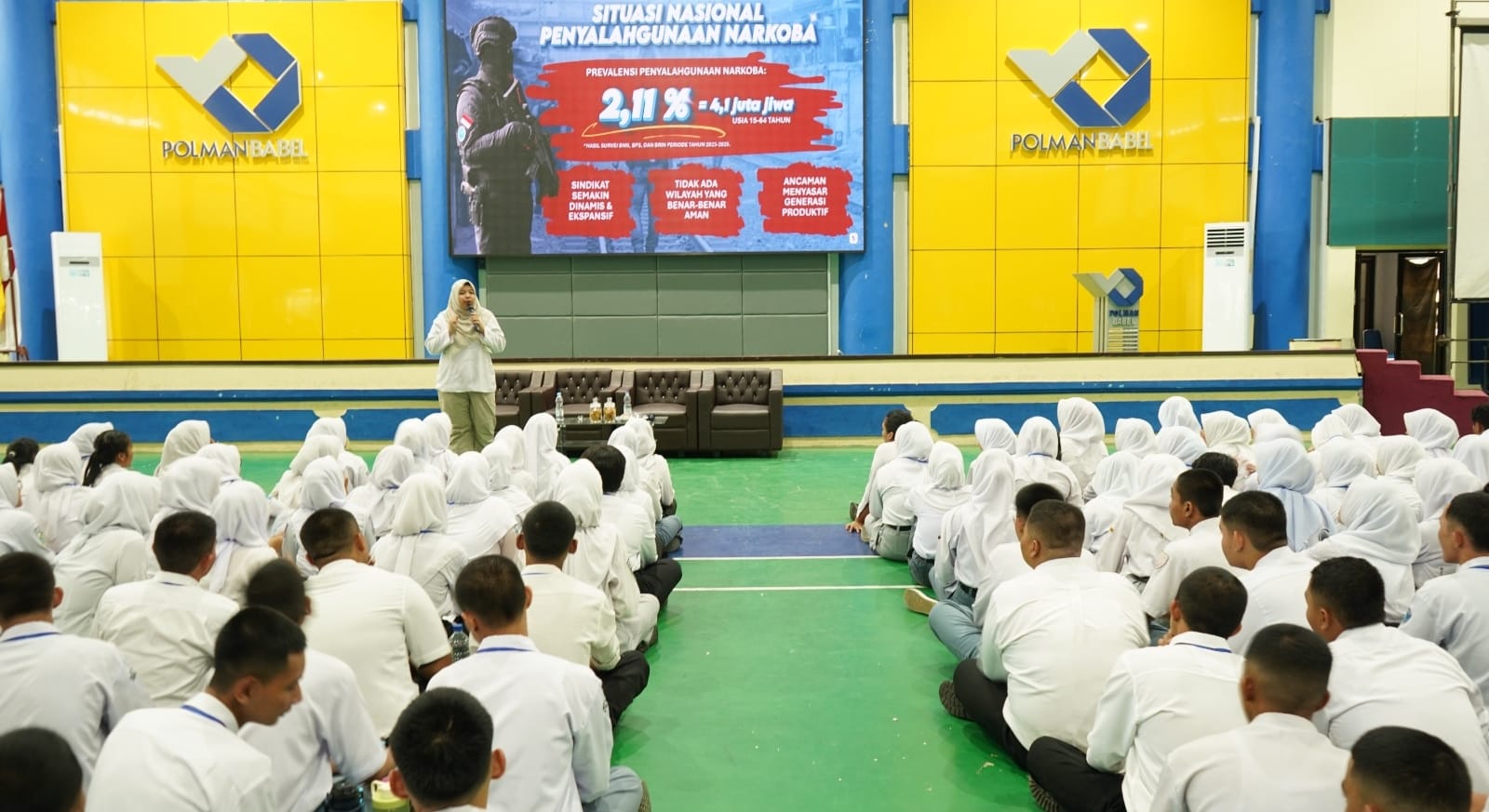
Meanwhile, Deputy Director II Muhammad Subhan, M.T., presented information regarding the code of conduct and regulations in effect at Polman Babel, emphasizing that all students are required to adhere to campus rules—including the ban on smoking on campus grounds and the commitment to maintaining a campus free from drug abuse.
"One key measure is to strictly observe all campus regulations throughout your studies until graduation; discipline and adherence to rules are integral to shaping the character of professional vocational students," he concluded.